
Planning a Pakistani wedding in Manchester can get complicated quickly. You may be looking at venues one day, discussing the guest list the next, and trying to work out how the Nikah, Mehndi, Baraat, and Walima will all fit together.
The easiest way to manage it is to take things one step at a time. Good wedding planning is really about knowing what needs to happen first and giving yourself enough time to make each decision.
This guide takes you through the process from the early planning stages to the final details. It is also useful if you are working with a wedding planner in Manchester and want a better idea of what to expect along the way.
Here’s what we’ll cover:
- Deciding what kind of wedding you want
- Setting a budget you can actually work with
- Creating a realistic timeline
- Knowing what to book first
- Planning the Nikah, Mehndi, Baraat, and Walima
- Avoiding common planning mistakes
Step 1. Decide the Type and Size of Your Pakistani Wedding
Before booking anything, decide what kind of wedding you want. This one decision shapes almost everything else, from your budget to your venue.
Many couples jump straight into venue hunting. Then someone asks, “How many guests are coming?” Silence. Followed by a lot of guessing.
Starting with a clear vision saves time and money.
Choose Which Wedding Functions You’ll Hold
Not every Pakistani wedding looks the same. Some families celebrate every tradition over several days. Others prefer a smaller, simpler schedule.
Common wedding events include:
| Wedding Event | Purpose |
| Mehndi | A colourful celebration with music, dancing and henna before the wedding. |
| Nikah | The Islamic marriage ceremony where the marriage contract is completed. |
| Baraat | The main wedding celebration where the groom arrives and the couple is formally welcomed. |
| Walima | The reception hosted after the marriage to celebrate with family and friends. |
Some families also arrange smaller gatherings at home before or after these events. Decide early which celebrations matter most to you and your family.
Keeping the number of events realistic makes planning much easier.
Estimate Your Guest List Early
Your guest list affects almost every major decision.
It determines:
- Venue size
- Catering costs
- Decoration budget
- Number of invitations
- Table arrangements
Start by dividing your guests into simple groups:
- Close family
- Extended family
- Friends
- Work colleagues
- Community guests
Don’t worry about getting the exact number on day one. A realistic estimate is enough to begin planning.
Many couples also keep a small reserve for guests who may be added later. It happens more often than people expect. Aunties have impressive networking skills.

Step 2. Set Your Wedding Budget
A beautiful wedding does not have to be the most expensive one.
The best weddings are usually the ones where couples know exactly where their money is going.
Creating your budget early helps you make better decisions throughout the planning process.
Break Down Your Budget by Category
Instead of looking at one large number, divide your budget into smaller sections.
Typical wedding expenses include:
| Budget Category | What It Covers |
| Venue | Ceremony and reception spaces |
| Catering | Food, desserts and drinks |
| Photography and videography | Wedding coverage and albums |
| Bridal and groom outfits | Wedding clothing, shoes and accessories |
| Décor | Stage design, flowers, table decorations and lighting |
| Hair and makeup | Bridal and family makeup services |
| Entertainment | DJ, live performances or cultural entertainment |
| Transport | Wedding cars and guest transport where needed |
| Contingency fund | Unexpected costs that appear during planning |
Seeing every category separately makes it much easier to control spending.
Prioritise Your Biggest Expenses
Every couple values different parts of their wedding.
Some want an elegant venue.
Others care most about food.
Some dream about stunning wedding photos that will last forever.
Write down your top three priorities first. Spend more on those areas and look for savings elsewhere.
This approach keeps your budget balanced without feeling like you’re giving something up.
Step 3. Choose Your Wedding Dates and Timeline
Now that you know your wedding style and budget, it’s time to build your schedule.
A clear timeline keeps everything organised. It also gives your suppliers enough notice and helps family members plan ahead.
Trying to organise everything in the final few weeks creates unnecessary stress.
Decide the Order of Your Wedding Events
Many Pakistani weddings include several celebrations across different days.
A common order is:
- Mehndi
- Nikah
- Baraat
- Walima
Some couples combine the Nikah with the Baraat or hold the Nikah separately before the main celebrations.
Choose a schedule that works for your family, your budget and your venue availability.
The goal is to keep the celebrations enjoyable without making everyone feel exhausted before the final event.
Create a Practical Planning Timeline
Once you have your wedding dates, break your planning into smaller milestones.
A simple timeline looks like this:
| Time Before Wedding | Main Tasks |
| 12 to 18 months | Set your budget, estimate guest numbers and shortlist venues |
| 9 to 12 months | Book your venue and major suppliers |
| 6 to 9 months | Buy wedding outfits, confirm catering and book entertainment |
| 3 to 6 months | Send invitations, finalise décor and arrange transport |
| 1 month | Confirm supplier bookings, guest numbers and event schedules |
| Final week | Pack essentials, confirm timings and enjoy the celebrations |
Checking off one task at a time feels much more manageable than trying to do everything at once.
Planning also becomes less stressful because every decision has its own place on the timeline.
Step 4. Book the Right Wedding Venue in Greater Manchester
Once you have your budget and timeline, book your venue as soon as possible. It is often the first major booking and one of the hardest to change later.
Greater Manchester has many venues for Asian weddings, but the most popular dates fill up quickly. Booking early gives you more choice and less stress.
What to Look for in a Pakistani Wedding Venue
A venue should do more than look beautiful. It should also work well for your wedding plans and your guests.
Before you book, check these points:
- Enough space for your guest list
- Suitable layout for your wedding events
- Halal catering available or permission to use an outside halal caterer
- Prayer facilities or a quiet prayer area
- Easy parking or nearby public transport
- Good access for elderly guests and wheelchair users
- Flexible decoration policies
- Clear timings for setting up and finishing the event
Visit your shortlisted venues in person whenever possible. Photos can make a room look much bigger than it really is.
Walk around the venue. Imagine where guests will sit, where the stage will go, and how people will move between different areas.
Book Early for Popular Dates
Summer weekends and school holidays are busy times for weddings in Greater Manchester.
Once you have chosen your wedding date, secure your venue before booking other suppliers. Many photographers, decorators and caterers also ask for your venue details before confirming your booking.
Ask the venue for everything in writing, including:
- Hire costs
- Payment schedule
- What’s included
- Cancellation policy
- Any extra charges
Reading the small print may not be exciting, but it is much better than discovering surprise fees later.
Step 5. Complete the Legal and Religious Marriage Requirements
Many couples focus on the celebrations first. The legal side deserves just as much attention.
In England, your Nikah alone does not automatically create a legally recognised marriage unless it takes place as part of a legally recognised marriage ceremony. Many couples choose to have both a civil marriage and a Nikah, either on the same day or on separate days.
Planning both early helps everything run smoothly.
Register Your Marriage in England
To legally marry in England, you will usually need to:
- Give legal notice at your local register office.
- Attend a civil marriage ceremony or marry at a venue licensed for civil marriages.
- Meet the legal requirements for marriage.
The notice period and required documents can vary depending on your circumstances. Check the latest guidance from your local council well before your wedding date.
Plan Your Nikah Ceremony
The Nikah is the religious marriage ceremony and one of the most meaningful parts of a Pakistani wedding.
Talk with your Imam or mosque early about:
- Available dates
- Required documents
- Witness arrangements
- Ceremony location
- Timing on the wedding day
Some couples hold the Nikah in a mosque. Others arrange it at their wedding venue or at home.
Choose the option that works best for your family and overall schedule.
Coordinate the Legal Ceremony and Nikah
Many couples organise:
- Civil ceremony first, followed by the Nikah.
- Nikah first, then the civil ceremony.
- Both ceremonies on the same day.
There is no single approach that suits every family.
The important thing is making sure everyone understands the timetable, especially close family members and your photographer.
Step 6. Book Your Key Wedding Suppliers
Your suppliers help turn your plans into reality.
Good suppliers are often booked months, sometimes more than a year, in advance. Once your venue is confirmed, begin securing the people who will provide the biggest services.

Photographer and Videographer
Your wedding day passes quickly.
Your photos and videos will help you remember it for years to come.
When comparing photographers:
- View full wedding galleries, not just social media highlights.
- Ask about experience with Pakistani weddings.
- Confirm what is included in each package.
- Ask when you will receive your final photos.
A photographer who understands Pakistani weddings will already know the key moments to capture, from the Nikah to family portraits and traditional entrances.
Caterer
Food is often one of the biggest talking points after the wedding.
Choose a caterer with experience serving large Pakistani weddings.
Before booking, discuss:
- Halal menu options
- Portion sizes
- Children’s meals
- Dietary requirements
- Dessert choices
- Serving times
Arrange a tasting session whenever possible.
It is much easier to make changes before the wedding than after the first plate reaches a guest.
Decor and Florist
Decor creates the atmosphere for your celebration.
Share inspiration photos with your decorator, but stay realistic about your budget.
Discuss:
- Stage design
- Floral arrangements
- Table décor
- Lighting
- Entrance display
- Colour theme
A simple, elegant design often looks better than trying to include every decoration trend at once.
Hair and Makeup Artist
Popular bridal makeup artists are often booked well in advance.
Schedule a trial appointment before your wedding.
This gives you time to:
- Test your preferred look.
- Check how the makeup lasts.
- Decide whether any changes are needed.
A trial also makes the wedding morning feel much less stressful.
Entertainment
Entertainment depends on your family’s traditions and personal style.
Some weddings include:
- A DJ
- Live singers
- Dhol players
- Cultural performances
Confirm the running order with your entertainment provider so they know exactly when each performance should begin.
Wedding Transport
Transport is sometimes overlooked until the last minute.
Think about transport for:
- The bride and groom
- Close family members
- Guests travelling between venues
Also, allow extra travel time. Manchester traffic has a habit of appearing when you least want it to.
Step 7. Plan Your Wedding Outfits and Jewellery
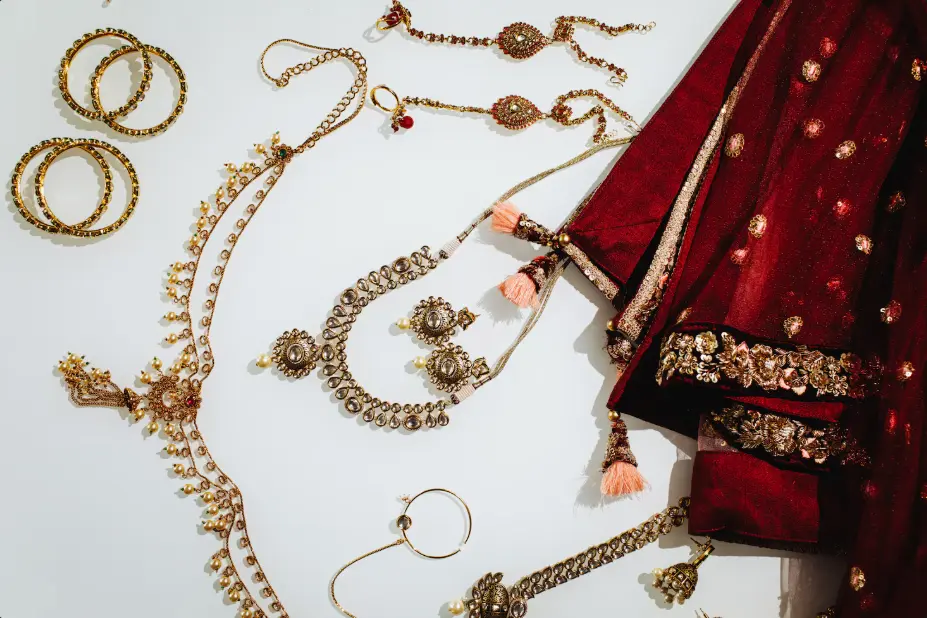
With your venue and suppliers booked, you can now focus on what many couples enjoy most. Choosing the wedding outfits.
Pakistani wedding clothing is often custom-made or imported. That means it usually takes longer than people expect. Start shopping early so you have enough time for fittings and alterations.
Choose Your Bridal Outfit
Your bridal outfit should match both your style and your wedding event.
Many brides wear different outfits for each celebration, such as:
- Mehndi
- Nikah
- Baraat
- Walima
When choosing your dress, think about more than the design.
Consider:
- Comfort
- Weight
- Ease of movement
- Matching jewellery
- Suitable footwear
You will wear the outfit for several hours. Looking great is important, but being able to breathe and walk comfortably is a bonus.
Choose the Groom’s Outfit
The groom’s outfit should complement the overall wedding theme.
Popular choices include:
- Sherwani
- Prince coat
- Traditional kurta for the Mehndi
- Suit for the Walima
Book fittings well before the wedding. Small adjustments can make a big difference.
Coordinate Family Outfits
Many families like to coordinate colours across different events.
This does not mean everyone has to wear the same shade.
Instead, agree on a colour palette so photos look organised without appearing overly matched.
Leave Time for Alterations
Even custom-made outfits often need small adjustments.
Aim to complete all fittings a few weeks before the wedding. That leaves enough time for any final changes without unnecessary stress.
Step 8. Organise Your Wedding Day Details
The small details often make the biggest difference.
By this stage, your main bookings should already be complete. Now it is time to organise everything that keeps the day running smoothly.
Send Your Invitations
Send invitations early enough for guests to make travel arrangements.
Include:
- Event dates
- Venue addresses
- Start times
- Dress code, where appropriate
- RSVP deadline
Digital invitations are popular, but printed invitations remain a favourite for many Pakistani weddings.
Choose the option that suits your family.
Create a Seating Plan
A seating plan helps guests settle quickly.
It also makes catering much easier.
Group guests in a way that feels natural, such as:
- Close family
- Extended family
- Friends
- Colleagues
Double-check names before printing place cards. Few things stand out more than spelling someone’s name incorrectly.
Build a Simple Event Schedule
Write a timeline for the day.
For example:
| Time | Activity |
| 12:00 pm | Guest arrival |
| 1:00 pm | Nikah ceremony |
| 2:00 pm | Family photographs |
| 3:00 pm | Meal service |
| 5:00 pm | Speeches |
| 6:00 pm | Couple’s entrance |
| Evening | Entertainment and celebrations |
Share the schedule with your suppliers so everyone knows what happens next.
Assign Family Responsibilities
You should not spend your wedding day answering phone calls.
Ask trusted family members or close friends to help with tasks such as:
- Welcoming guests
- Coordinating suppliers
- Managing gifts
- Helping elderly relatives
- Answering guest questions
Giving everyone a clear role helps the day run much more smoothly.
Step 9. Prepare for Traditional Pakistani Wedding Ceremonies
Every family celebrates differently.
Some weddings are large and lively. Others are smaller and more relaxed.
The important thing is planning each event well so everyone can enjoy it.
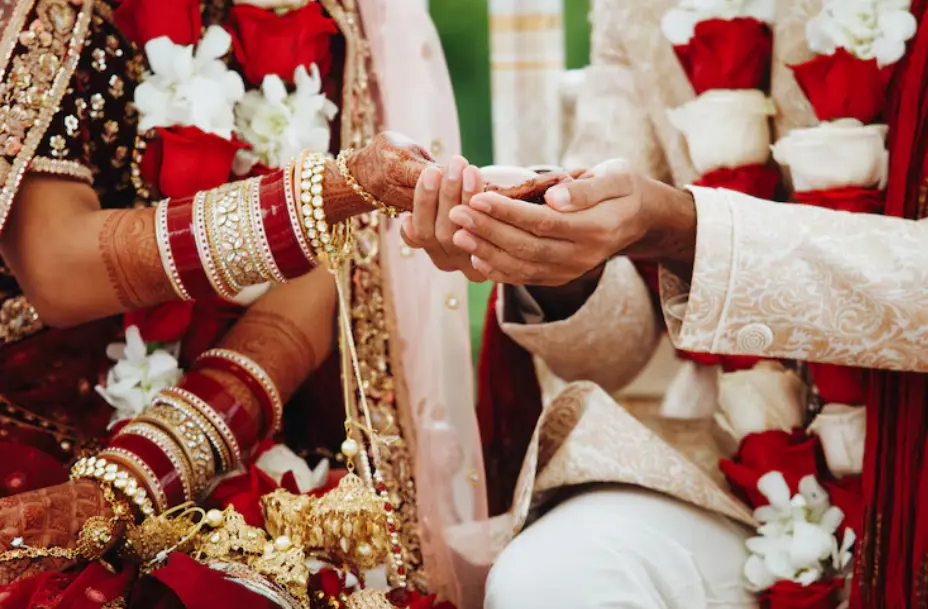
Mehndi Planning
The Mehndi is usually the most colourful celebration.
Plan:
- Music
- Seating
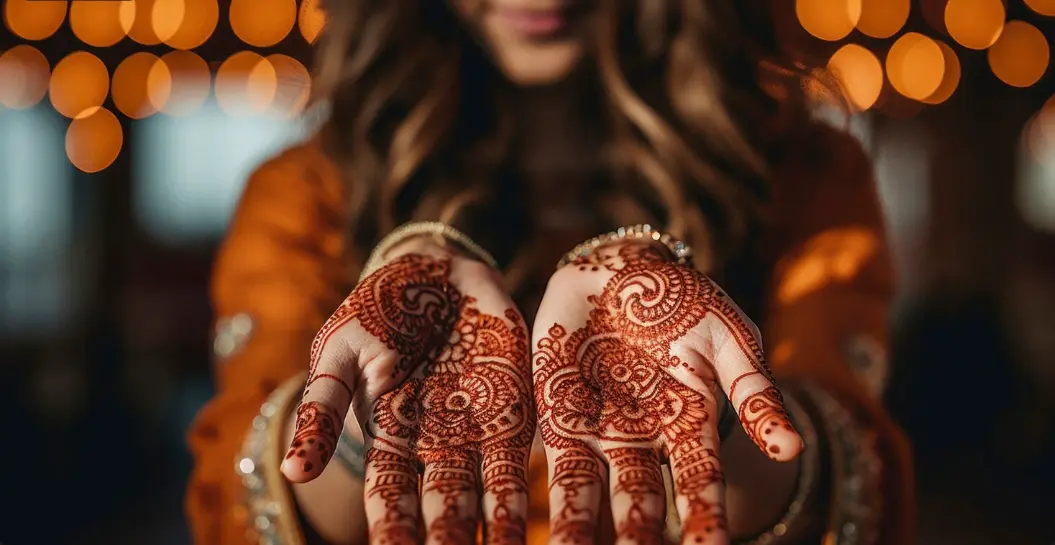
- Henna artist
- Stage décor
- Food and refreshments
Leave enough space for dancing and family photos.
Nikah Planning
The Nikah is the heart of the wedding.
Confirm:
- Imam’s arrival time
- Witnesses
- Marriage documents
- Seating arrangements
- Photography rules
A calm, organised ceremony allows everyone to focus on its importance.
Baraat Planning
The Baraat is often the largest event.
Check that:
- Guests know the venue location
- Suppliers have the final schedule
- Entertainment timings are confirmed
- Catering knows the final guest numbers
Good communication keeps everything on time.
Walima Planning
The Walima is usually a relaxed reception where family and friends celebrate together.
Keep the schedule simple.
Allow plenty of time for guests to eat, meet the couple and take photographs.
Balance Tradition With Your Own Style
Every family has its own traditions.
Some customs have been followed for generations.
Others may not matter as much to you.
Talk openly with your family early in the planning process. Clear conversations now can prevent unnecessary disagreements later.
Your wedding should reflect your values while respecting the traditions that matter most to your loved ones.
Step 10. Final Wedding Week Checklist
The final week is not the time for major decisions.
It is simply about making sure everything is ready.
A checklist helps you stay organised.
Confirm All Supplier Bookings
Contact every supplier to confirm:
- Arrival time
- Contact details
- Final payment
- Delivery schedule
Never assume everyone has the same timetable.
Confirm Guest Numbers
Provide your venue and caterer with the final guest count.
This helps them prepare enough seating and food.
Pack Your Wedding Essentials
Prepare a small bag with items such as:
- Wedding rings
- Marriage documents
- Comfortable shoes
- Phone charger
- Makeup for touch-ups
- Safety pins
- Tissues
Hopefully, the tissues are only for happy tears.
Appoint a Main Contact
Choose one trusted person who can answer supplier questions during the wedding.
This allows you to enjoy your day without constantly checking your phone.
What Are The Mistakes When Planning a Pakistani Wedding in Greater Manchester?
Many wedding problems are easy to avoid with good planning.
Watch out for these common mistakes:
- Leaving venue bookings too late.
- Underestimating the number of guests.
- Forgetting the legal marriage arrangements.
- Ordering wedding outfits too close to the wedding date.
- Not allowing extra time between events.
- Trying to organise everything without help.
- Spending too much on small details while overlooking major expenses.
Planning step by step keeps these problems to a minimum.
Conclusion
Planning a Pakistani wedding in Manchester may seem overwhelming at first. There are many decisions to make, several events to organise and plenty of opinions from family. Sometimes everyone becomes a wedding planner overnight.
Taking one step at a time makes the whole process much easier.
Start with your guest list, budget and timeline. Book your venue and trusted suppliers early. Give yourself enough time for outfits, invitations and the final details. Most importantly, remember why you are planning the celebration in the first place.
A well-planned wedding is not about having the biggest budget or the longest guest list. It is about creating a day that brings family together, celebrates your marriage and leaves you with happy memories for years to come.
FAQs:
How far in advance should I start planning a Pakistani wedding in Greater Manchester?
Around 12 to 18 months is ideal, especially for larger weddings. Popular venues and experienced suppliers are often booked well in advance.
How many events does a traditional Pakistani wedding usually include?
Most Pakistani weddings include the Mehndi, Nikah, Baraat and Walima. Some families also organise smaller celebrations before or after these events.
Can the Nikah and legal marriage ceremony happen on different days?
Yes. Many couples arrange them separately. Just make sure you complete the legal marriage requirements through the appropriate civil process in England.
What should I prioritise with a limited budget?
Focus first on the venue, catering and photography. These usually have the biggest impact on your wedding experience.
How do I choose the right wedding venue?
Look for a venue that suits your guest numbers, offers suitable catering options, provides enough parking, has good accessibility and fits your overall budget.