

Planning an Indian wedding in Greater Manchester and feeling overwhelmed before you have even booked a single venue? You are not alone. Between managing two families, coordinating multiple ceremonies, and sourcing authentic vendors across Manchester, Oldham, and Bolton, the whole thing can spiral quickly. The good news is that with the right steps in the right order, it is absolutely doable.
In this guide, I’ll cover:
- Setting a realistic budget for a Greater Manchester Indian wedding
- Choosing the right venues for each ceremony
- Booking the key vendors: catering, decor, and photography
- Managing Hindu or Sikh ceremony requirements
- Handling the guest list and logistics
- Practical tips to keep things on track
Step 1: Fix Your Budget Before Anything Else
Before you fall in love with a venue, get the numbers down. Indian weddings in Greater Manchester typically span three to five days and cover multiple events: the Mehndi, Sangeet, Baraat, and the main wedding ceremony.
A mid-range Indian wedding in this area often runs between £30,000 and £80,000, depending on guest count and ambition. Be honest about what you can afford. Include a 15% buffer for last-minute additions, because there will always be last-minute additions.
Sit down with both families early. Agree on who is contributing what. This conversation is uncomfortable but it saves a lot bigger arguments later.
Step 2: Choose Your Venues Carefully
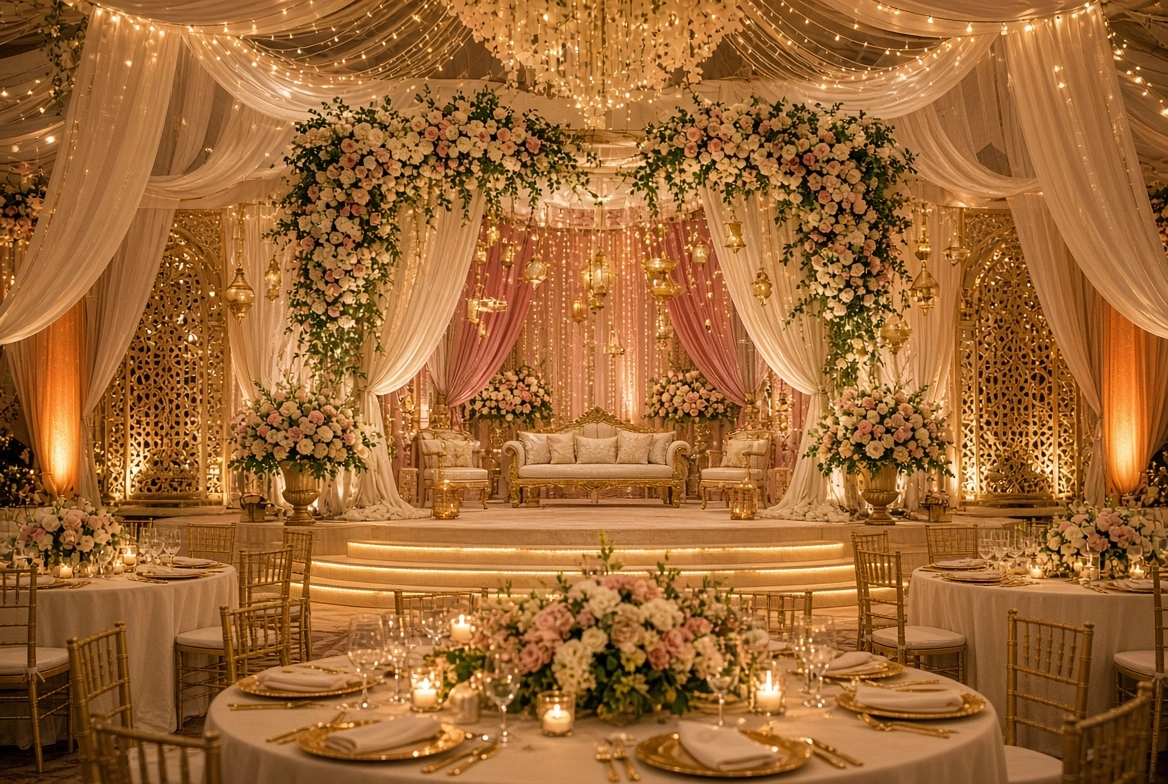
Greater Manchester has some brilliant options for Indian weddings. Oldham, Rochdale, and Bolton all have large South Asian communities, so specialist venues are easier to find than in many other parts of the UK.
What to look for in a venue:
- External catering permissions (critical for authentic Indian food)
- Enough space for the Baraat procession
- Parking for large guest numbers
- Separate rooms for different ceremony stages
- Halal or vegetarian kitchen facilities where required
The Whites Hotel in Whalley Range and Mercure Manchester Piccadilly are popular choices. Many couples also opt for dedicated Asian banqueting halls in Oldham, which already cater specifically to South Asian wedding traditions.
If you are planning separate venues for the Mehndi night and the main reception, book them together. Dates get snapped up fast, especially from May to October.
Step 3: Book Your Key Vendors
Book these in order of importance: caterer, photographer, and decor team.
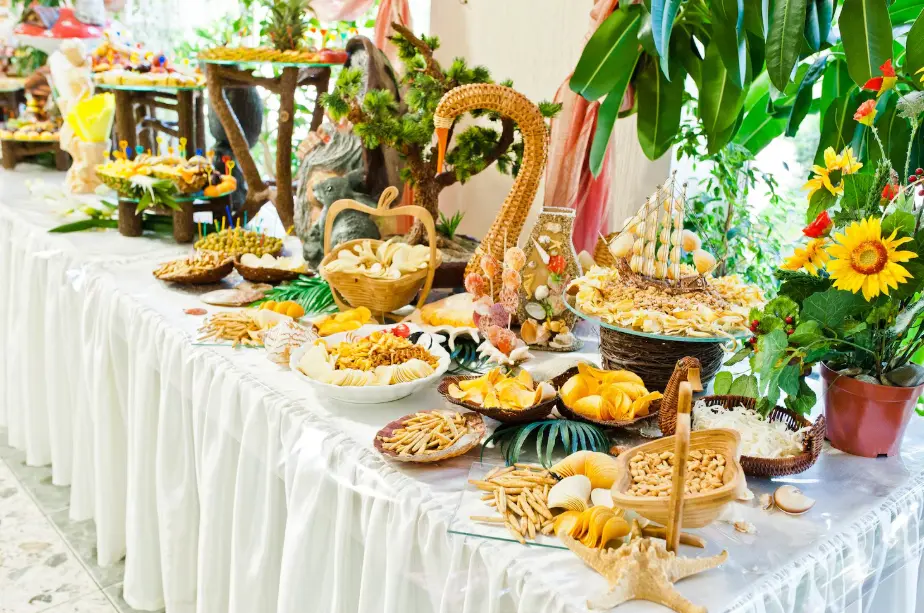
Indian wedding catering in Manchester deserves special attention. Your guests will remember the food more than almost anything else. Look for caterers who specialise in regional Indian cuisine, not just generic curry buffets. Whether you need Punjabi, Gujarati, or South Indian food, Greater Manchester’s South Asian food scene has you covered.
For inspiration on what to serve, the asian wedding food guide is worth a proper read before you meet caterers.
For photography and videography, book someone who has genuine experience with Indian wedding ceremonies. The lighting in mandap setups is tricky. The timing of key rituals moves fast. A photographer who has only shot Western weddings will miss moments they do not even know exist.
Step 4: Plan Each Ceremony Individually
A Hindu Indian wedding typically includes the following events:
| Ceremony | Purpose | Usual Duration |
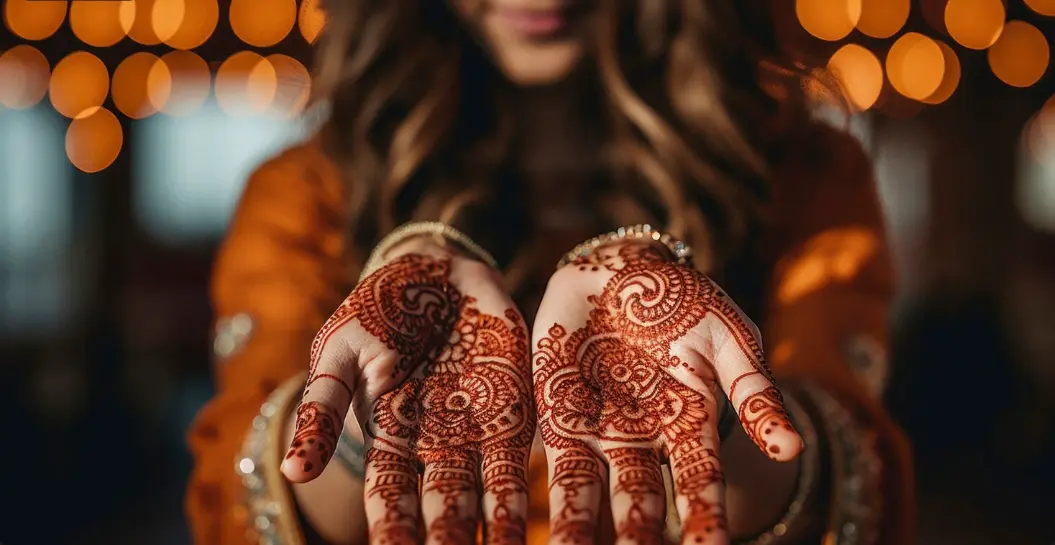
| Mehndi | Henna application for the bride | Half day |
| Sangeet | Music and dancing celebration | Evening |
| Haldi | Turmeric ritual before the wedding | 1 to 2 hours |
| Baraat | Groom’s procession to the venue | 1 hour |
| Wedding ceremony (Vivah) | Main ritual at the mandap | 2 to 3 hours |
| Reception | Celebration with all guests | Evening |
Each event needs its own catering plan, decor, and timeline. Do not treat the Mehndi and Sangeet as an afterthought.
Plan each event on its own spreadsheet. Separate budgets, separate vendor contacts, separate guest lists where needed.
Step 5: Build Your Guest List Strategically
Indian weddings in Greater Manchester tend to be large. Two hundred guests is common. Four hundred is not unusual. Guest count drives everything else: venue size, catering costs, invite budget, and transport logistics.
Start with a must-invite list first. Then add the extended family and community tier. Agree on the final number with both families before you send a single invitation. Changing the number later is genuinely painful.
For guests travelling from outside Manchester, send save-the-dates at least six months in advance. Many will be coming from London, Birmingham, or overseas.
Step 6: Hire an Indian Wedding Planner in Oldham or Greater Manchester
A specialist Asian wedding planner is not a luxury. For a multi-day Indian wedding, they are genuinely worth the cost. A good planner in Greater Manchester will already have relationships with trusted vendors, know which venues accept external caterers, and understand the specific requirements of Hindu or Sikh ceremonies.
They will also act as the main point of contact on the day itself, so you and your family are not running around solving problems while trying to get married.
If you want a broader view of the full planning process across South Asian weddings in this region, read our ultimate guide to Asian wedding planning in Greater Manchester.
FAQs:
How far in advance should I book an Indian wedding in Greater Manchester?
Book at least 12 to 18 months ahead. Specialist venues and Asian wedding caterers in Greater Manchester fill up fast, especially from May to September. Popular photographers often get booked even earlier.
What is the average cost of an Indian wedding in Greater Manchester?
An Indian wedding in Greater Manchester typically costs between £30,000 and £80,000. Guest count, number of ceremony days, and catering choices are the biggest cost drivers.
Do Indian wedding venues in Greater Manchester allow external caterers?
Many dedicated Asian banqueting halls in Oldham and Bolton allow external caterers. Always confirm this before signing any venue contract. It is a deal-breaker for authentic Indian food.
What ceremonies are included in a traditional Hindu Indian wedding?
A traditional Hindu Indian wedding includes the Mehndi, Haldi, Sangeet, Baraat, the main Vivah ceremony at the mandap, and the reception. Each requires its own planning and vendor arrangements.
Can a non-specialist wedding planner manage an Indian wedding in Greater Manchester?
It is possible but risky. An experienced Indian wedding planner understands the ceremony timings, cultural expectations, and vendor network specific to South Asian weddings. A generalist planner often misses critical details.